
In today’s technology-driven world, drone thermal inspections have become a game-changing solution for industries that rely on accurate data to maintain efficiency and safety. Using advanced thermography sensors, drones can detect temperature variations invisible to the naked eye, helping businesses identify issues before they become costly problems. From inspecting electrical systems to monitoring solar panels and assessing building envelopes, thermal drone technology is redefining how professionals approach preventive maintenance and quality assurance. Leading the charge in this innovation is 1st Choice Aerials, a trusted provider of professional drone thermography services that deliver precise, actionable insights for clients across multiple sectors.
What Is Drone Thermography?
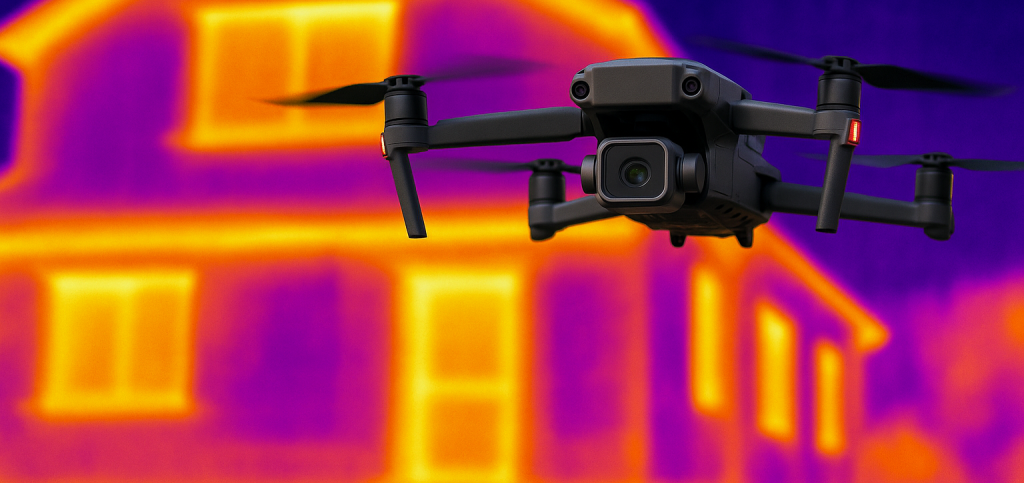
Drone thermography is the use of unmanned aerial vehicles (UAVs) equipped with thermal imaging cameras to capture heat signatures across various surfaces and environments. These cameras measure infrared radiation, converting it into temperature data that can be visualized in detailed thermal maps and reports. By analyzing these heat patterns, technicians can detect anomalies such as overheating components, moisture intrusion, insulation gaps, and electrical faults—without ever needing direct contact with the surface being inspected.
The process is fast, accurate, and non-invasive, making it a safer and more efficient alternative to traditional inspection methods. Whether for infrastructure, solar energy, or industrial facilities, thermal drone inspections provide an unparalleled level of visibility and control.
Why Thermal Drone Inspections Matter
Thermal imaging is more than just a visual enhancement—it’s a diagnostic tool that helps organizations maintain operational integrity and avoid downtime. In many industries, undetected thermal irregularities can lead to performance losses, equipment failure, or even safety hazards. By using drones, these risks are mitigated early, reducing maintenance costs and extending the lifespan of assets.
With drone thermal inspections, companies gain the ability to monitor large or inaccessible areas quickly and safely. Traditional inspections often involve scaffolding, manual labor, and potential exposure to hazards, whereas drones can complete the same work in a fraction of the time with minimal risk.
Precision and Accuracy in Every Flight
Modern thermal drones are equipped with highly sensitive infrared sensors capable of detecting temperature differences as small as 0.05°C. This precision allows inspectors to identify minute issues such as overheating electrical connections or subtle water leaks. Combined with GPS and advanced flight control systems, these drones ensure consistent data accuracy across repeated inspections, enabling trend analysis over time.
Applications of Drone Thermography Across Industries
Drone thermal inspections are versatile and applicable across multiple sectors. From construction and utilities to renewable energy and agriculture, this technology is proving invaluable wherever temperature differentials can reveal crucial insights.
Solar Energy and Photovoltaic System Inspections
One of the fastest-growing applications of drone thermography is in the solar energy industry. Solar farms rely on thousands of photovoltaic panels working in harmony, and even a small percentage of malfunctioning cells can lead to significant energy losses. Thermal drones can scan large solar arrays efficiently, identifying defective panels, faulty connections, and hotspots in real time. This capability allows technicians to perform targeted maintenance rather than time-consuming manual checks, maximizing productivity and system performance.
Building and Roof Inspections
In the construction and property management sectors, drone thermography helps detect heat loss, insulation gaps, and moisture intrusion. By capturing thermal images of rooftops and building facades, drones reveal problem areas that contribute to energy inefficiency. This data supports energy audits and guides improvements in HVAC systems and insulation design. For roofing contractors, thermal imaging can detect water infiltration under membranes long before leaks become visible, saving both time and repair costs.
Electrical and Mechanical Equipment Monitoring
In industrial environments, overheating equipment or electrical faults can lead to costly shutdowns or safety incidents. Drones equipped with thermal cameras can safely inspect power lines, transformers, substations, and mechanical systems from a distance. By detecting unusual heat patterns, maintenance teams can prioritize repairs before failures occur. This proactive approach not only improves safety but also enhances asset reliability and operational uptime.
Infrastructure and Utility Assessments
Drone thermography is also vital for monitoring infrastructure such as bridges, pipelines, and road networks. Changes in heat distribution can indicate structural weaknesses, fluid leaks, or energy inefficiencies. Drones can cover extensive stretches of infrastructure quickly, offering detailed reports that inform maintenance strategies and extend the lifespan of critical assets.
Agriculture and Environmental Monitoring
In agriculture, thermal imaging helps farmers assess crop health, irrigation efficiency, and soil conditions. Drones equipped with thermal sensors detect variations in plant temperature, which can signal water stress or pest infestations. This early detection allows for precision agriculture practices that conserve resources and improve yields. Environmental organizations also use thermal imaging for wildlife tracking, wetland monitoring, and habitat conservation, adding another layer of ecological insight to aerial data collection.
The Advantages of Drone-Based Thermal Inspections
Drone thermography offers a range of benefits that make it superior to traditional inspection methods:
1. Safety and Accessibility: Drones eliminate the need for personnel to work at heights or in hazardous environments. Inspections of high-voltage lines, rooftops, or confined spaces can be done remotely and safely.
2. Speed and Efficiency: Thermal drones can inspect large areas in minutes rather than hours. This efficiency enables businesses to conduct more frequent and detailed inspections without interrupting operations.
3. Cost Reduction: By reducing the need for scaffolding, cranes, and labor-intensive processes, drone inspections significantly lower operational costs. Early problem detection also prevents expensive repairs or replacements.
4. Non-Invasive Data Collection: Thermography provides valuable insights without physical contact, ensuring that sensitive materials or systems remain undisturbed during inspection.
5. High-Resolution Data and Analysis: Advanced imaging systems generate detailed thermal and visual data that can be analyzed and compared over time. This makes predictive maintenance and performance tracking more effective than ever.
Why Partner with 1st Choice Aerials for Drone Thermography?
When precision and reliability are crucial, experience matters. Check out 1st Choice Aerials, a leading provider of drone-based thermal inspections across multiple industries. With state-of-the-art equipment and certified thermographers, 1st Choice Aerials delivers comprehensive aerial data that empowers clients to make informed, confident decisions about their assets.
Every project is approached with a commitment to accuracy, safety, and professionalism. From flight planning to post-processing analysis, the company’s team ensures that every dataset meets the highest standards of quality and compliance. Whether you need solar panel inspections, building thermography, or industrial system monitoring, 1st Choice Aerials provides customized solutions that deliver measurable value.
The Future of Drone Thermography
As drone and imaging technologies continue to evolve, the future of thermal inspections looks increasingly powerful. Advances in artificial intelligence and data analytics are enabling automatic fault detection, predictive maintenance, and real-time reporting. Drones equipped with hybrid sensors—combining thermal, visual, and LiDAR imaging—are producing richer datasets that give a multidimensional understanding of structures and systems.
Additionally, the integration of cloud-based platforms allows businesses to access and share inspection data instantly, improving collaboration and response times. As these technologies become more refined, drone thermography will continue to push the boundaries of efficiency and insight in industrial and commercial inspections.
Bringing Clarity to Hidden Problems
Drone thermal inspections provide an essential advantage in industries where precision and preventive maintenance define success. By turning invisible heat data into visual intelligence, drones make it possible to identify issues early, ensure safety, and enhance performance across assets and infrastructure. The combination of thermal imaging and aerial mobility is not just an innovation—it’s a revolution in how we see and maintain the world around us.
To learn more about how drone thermography can improve your operations, visit: https://www.1stchoiceaerial.com/ for detailed insights into their professional services.