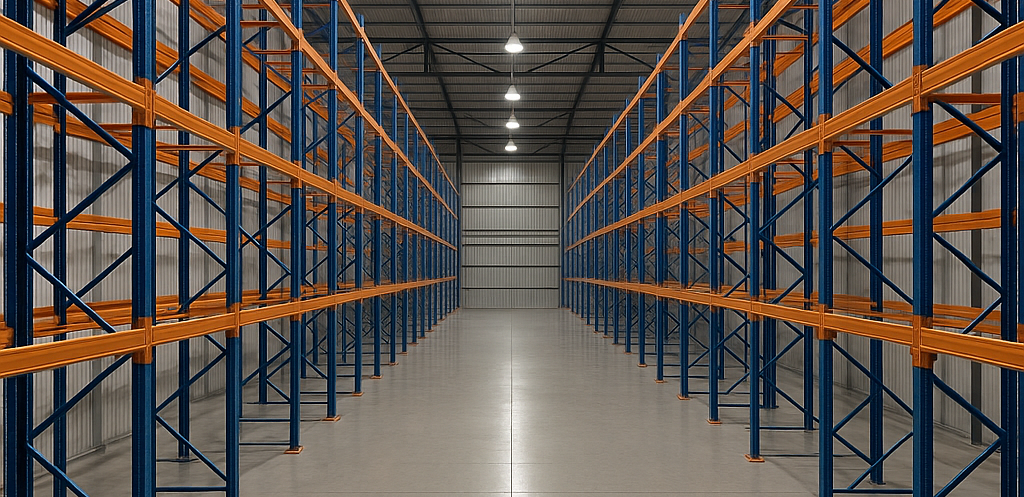

Choosing the right warehouse space in Washington State is a strategic decision that can significantly impact your business’s efficiency, scalability, and bottom line. Whether you’re a local distributor or an international logistics provider, understanding the unique aspects of Washington’s commercial landscape is crucial. Below, we delve into five critical factors to guide your warehouse selection process in the Evergreen State.
1. Strategic Location and Transportation Access
Washington’s geographic positioning offers unparalleled access to both domestic and international markets. Proximity to major transportation hubs—such as the Port of Seattle, Port of Tacoma, and Seattle-Tacoma International Airport—facilitates efficient import and export operations. Additionally, the state’s extensive highway network, including Interstates 5 and 90, ensures seamless overland distribution across the Pacific Northwest and beyond.
When selecting a warehouse, consider its accessibility to these transportation arteries. For instance, Stryder USA’s facilities are strategically located to capitalize on these logistical advantages, providing streamlined connections for freight movement throughout the region.
2. Labor Market Availability and Workforce Quality
A skilled and reliable workforce is essential for warehouse operations. Washington boasts a diverse labor pool, with a strong emphasis on education and technical training. Urban centers like Seattle and Tacoma offer access to a broad talent base, while also providing opportunities for workforce development through partnerships with local educational institutions.
However, labor costs can vary significantly across the state. It’s important to balance the availability of skilled workers with wage expectations to ensure operational efficiency without compromising on quality. Engaging with local employment agencies and understanding regional labor trends can provide valuable insights during the site selection process.
3. Real Estate Market Conditions and Facility Specifications
The commercial real estate landscape in Washington is dynamic, with varying availability and pricing across different regions. Urban areas may offer modern facilities with advanced infrastructure but at a premium cost. Conversely, rural locations might provide more affordable options, albeit with potential trade-offs in terms of accessibility and amenities.
Key facility specifications to consider include:
- Ceiling Height: Higher ceilings allow for vertical storage solutions, maximizing space utilization.
- Floor Load Capacity: Essential for operations involving heavy machinery or high-density storage.
- Dock Availability: Adequate loading docks facilitate efficient inbound and outbound logistics.
- Climate Control: Necessary for temperature-sensitive goods, ensuring product integrity.
Assessing these features in relation to your specific operational needs will aid in selecting a facility that aligns with your business objectives.
4. Regulatory Environment and Incentive Programs
Washington’s regulatory framework can influence warehouse operations, particularly concerning zoning laws, environmental regulations, and taxation. Engaging with local authorities and understanding the permitting process is crucial to ensure compliance and avoid potential legal complications.
Moreover, the state offers various incentive programs aimed at encouraging business investment and expansion. These may include tax credits, grants, and workforce training subsidies. Leveraging such programs can offset initial setup costs and contribute to long-term operational savings.
5. Technological Infrastructure and Sustainability Initiatives
Incorporating technology into warehouse operations enhances efficiency, accuracy, and scalability. Washington’s commitment to technological advancement is evident in its support for high-speed internet infrastructure and innovation hubs. Facilities equipped with modern Warehouse Management Systems (WMS), automation capabilities, and real-time tracking technologies can provide a competitive edge.
Additionally, sustainability is increasingly becoming a focal point in warehouse operations. Washington’s emphasis on renewable energy and environmental stewardship aligns with global trends towards eco-friendly business practices. Implementing energy-efficient systems, waste reduction programs, and sustainable building materials not only reduces environmental impact but can also result in cost savings and improved brand reputation.
Enhancing Your Logistics Strategy with Expert Partnerships
Partnering with experienced logistics providers can streamline the warehouse selection process and optimize supply chain operations. Companies like Stryder USA offer comprehensive solutions, including transportation, warehousing, and distribution services tailored to the unique demands of Washington’s market.
By leveraging local expertise and established networks, businesses can navigate the complexities of warehouse selection with confidence, ensuring alignment with strategic goals and operational requirements.
Final Thoughts
Securing the right warehouse space in Washington State involves a multifaceted evaluation of location, labor, real estate, regulatory considerations, and technological infrastructure. By thoroughly assessing these factors and engaging with knowledgeable partners, businesses can establish a robust foundation for efficient and scalable operations in the region.